Bug Out Bag Checklist: 75 Essential Items (Free Printable PDF)
This is the most complete bug out bag checklist and bug out bag list you'll find: 75 essential items organised into 10 categories, with an explanation of why each item matters. Whether you're building your first BOB or auditing an existing one, use this bug out bag gear list to make sure nothing critical gets left behind.
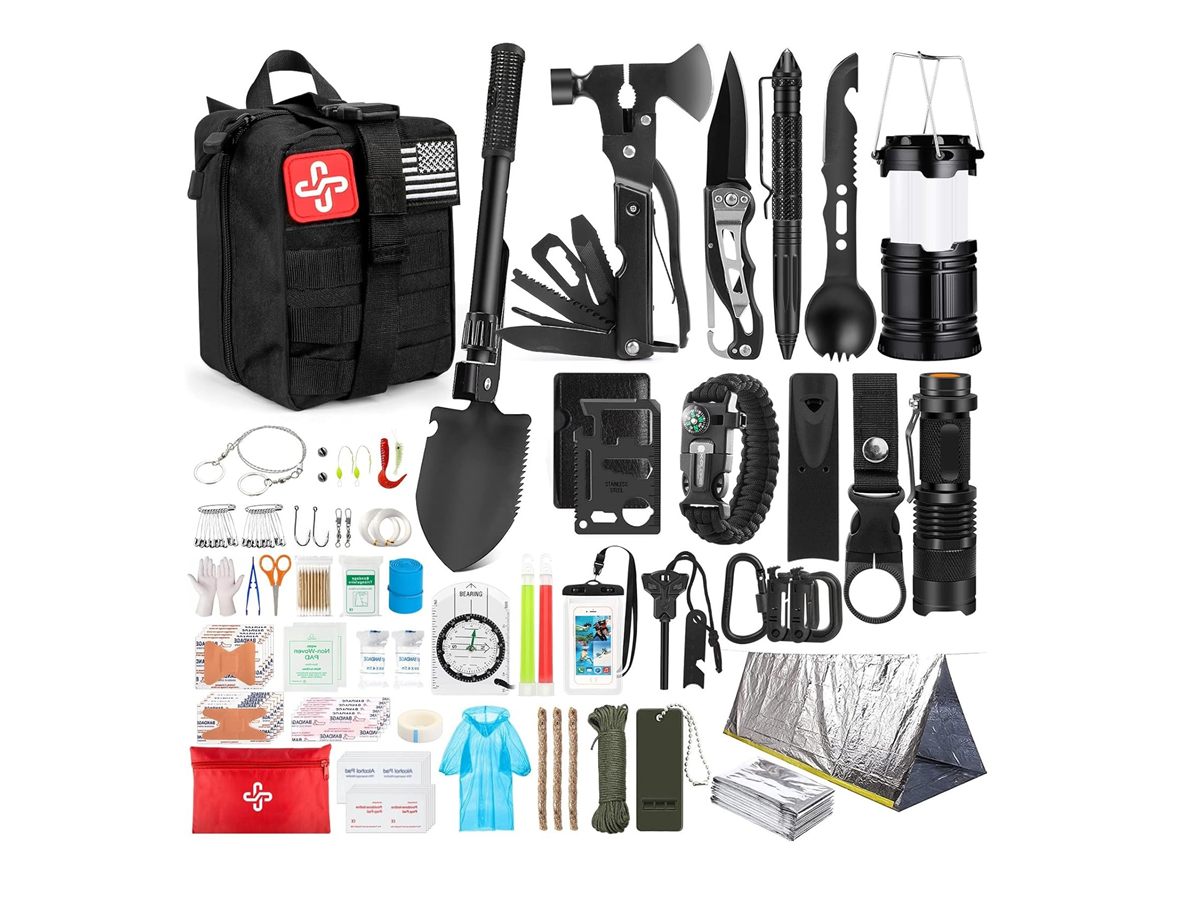
The go bag checklist below covers everything from water and food to communications, navigation, shelter, and the often-overlooked comfort and morale items that matter enormously in a multi-day emergency. Every item includes an Amazon link where relevant so you can source what you need immediately.
Get This Checklist as a Free Printable PDF
Subscribe to our newsletter and we'll email you the printable version: one page, all 75 items, designed to fit on a single sheet and laminate.
Get It Free Here →How to Create a Bug Out Bag for Emergencies
Building a bug out bag from scratch is simpler than the 75-item list below makes it look. Here's the process in five steps, each linking to the relevant section:
- 1. Pick a bag that fits your body and your bug-out distance. A 40-50L internal-frame backpack with a padded hip belt suits most adults for a 72-hour evacuation on foot; a smaller daypack is enough if you're bugging out by vehicle. See our Best Bug Out Bags comparison if you need to buy one.
- 2. Start with the simple 15-item essentials list first. Water filtration, food, shelter, light, first aid, fire, and a way to signal for help cover the highest-consequence gaps. A partial bag today beats a complete bag next month.
- 3. Fill in the rest by category. Work through water, food, shelter, light & power, communications, first aid, tools, clothing, documents, and comfort items in turn, using the full checklist below.
- 4. Pack it using the weight-distribution zones below. Where an item sits in the bag matters as much as whether it's in the bag at all: heaviest items go closest to your back, quick-access items go in the lid and hip pockets.
- 5. Weigh it, wear it, and review it. Aim for 20% or less of your body weight fully packed. Put it on and walk around the block: anything that digs in or feels unbalanced needs repacking. Review and rotate consumables (food, batteries, meds) at least twice a year.
72-Hour Bug Out Bag Essentials
The full 75-item list below is thorough by design, but it's not all equally urgent. If you're starting from zero, don't wait until you've bought everything: a partial bag today beats a complete bag next month. If you'd rather skip building the list from scratch entirely, see our complete pre-packed bug out bags comparison for kits that already include food, water, and gear, plus exactly what they still leave out.
Start With a Simple Bug Out Bag
These ~15 items cover the highest-consequence gaps first: the rest of the checklist below fills in comfort, redundancy, and scenario-specific gear:
- Water filter straw (LifeStraw or Sawyer Squeeze) + 1L water
- Emergency food bars (2–3) or freeze-dried meals
- Emergency mylar blanket or bivy
- LED headlamp + spare batteries
- Comprehensive first aid kit + a tourniquet
- Multi-tool
- Fire-starting kit (lighter + waterproof matches)
- Rain poncho
- Whistle
- N95 mask
- Cash ($100+ in small bills)
- Copies of key documents (waterproof sleeve)
- Phone charger + power bank
- Comfortable broken-in walking shoes (or keep a pair with the bag)
- Paracord (25–50 ft)
Add everything else from the full checklist below as time and budget allow: treat this simple version as day one, not the finished bag.
Optional Gear by Scenario
Once the essentials above are covered, prioritize additions by the situation you're actually most likely to face:
| Scenario | Add These First |
|---|---|
| Cold climate / winter | Insulated layers, hand warmers, a warmer-rated sleeping bag, wool socks |
| Hot / arid climate | More water capacity, electrolyte packets, sun protection, lighter clothing layers |
| Wildland / rural evacuation | Folding saw, extra fire-starting redundancy, a larger water filter, sturdier boots |
| Urban / "gray man" evacuation | A normal-looking (non-tactical) bag, more cash, less visible gear |
| Family with children | See our Best Go Bags for Families guide for age-specific packing |
| Short urban commute, not full evacuation | A lighter Get Home Bag may fit the scenario better than a full 72-hour BOB |
Best Way to Pack a Bug Out Bag
A pile of the right gear in the wrong order is still a badly packed bag. Where something sits changes how fast you can reach it and how comfortable the bag is to carry.
Weight Distribution and Quick Access
| Pack Zone | What Goes There | Why |
|---|---|---|
| Bottom | Sleeping bag, bulky shelter items you won't need mid-hike | Rarely-accessed, compressible items belong at the bottom |
| Core/middle (against your back) | Heaviest items: water, food, cook system | Weight closest to your spine and between your shoulder blades keeps the pack's center of gravity stable and comfortable |
| Top of main compartment | Rain gear, extra layer, headlamp | Things you might need without fully unpacking |
| Top lid / brain pocket | First aid kit, whistle, map, compass, sunscreen | Fast access without opening the main compartment |
| Hip belt pockets | Multi-tool, fire starter, phone, snacks | Reachable without taking the pack off at all |
| Side/external pockets | Water bottle, tent poles, trekking pole | Long/awkward items that don't fit the main compartment shape |
Worked weight example for a 30 lb bag (one adult, 55L pack): ~12 lbs water/food in the core, ~8 lbs shelter/sleep system at the bottom, ~5 lbs clothing/rain gear up top, ~3 lbs first aid/tools in the lid, ~2 lbs quick-access items in the hip belt. Stays within the 20–30%-of-bodyweight rule for most adults.
1. Water & Hydration
Water is your most urgent priority. Pack enough to cover at least 24 hours on the move, with filtration to source more from the environment.
- Water (1 litre minimum per person packed): bottled water, pouches, or a filled bladder
- Hydration bladder (2–3L): Camelbak or compatible hydration system for hands-free drinking on the move
- Water filter straw (LifeStraw or Sawyer Squeeze): filter any water source on the go
- Water purification tablets: lightweight backup, treats up to 25L per bottle
- Collapsible water bottle or bladder (extra): for collecting water from sources
- Stainless steel water bottle (single-wall): can be used over a fire to boil water
- Pre-filter (coffee filter or bandana): removes sediment before filtering
- Mini camp stove + fuel: for boiling water when chemical treatment isn't enough
2. Food & Cooking
Pack 2,000+ calories per adult per day. Prioritise calorie-dense, lightweight, no-cook options for mobility; add one hot-meal option for morale.
- Emergency food bars (Datrex or Mayday, 3,600 cal each): 5-year shelf life, compact, no prep needed
- Freeze-dried meals (2–3): add boiling water, ready in 10 minutes; Mountain House or Wise Company
- Peanut butter packets (single-serve): high calorie, no refrigeration
- Protein bars or granola bars (6–10): quick energy, take up minimal space
- Dried fruit and nuts (1–2 bags): nutrient-dense trail food
- Instant coffee or tea bags: morale item and hot drink on cold nights
- Camp stove (compact, butane or isobutane): for heating water and food
- Fuel canisters (2–3): each 100g canister lasts ~1 hour of cooking
- Titanium spork or utensils: lightweight eating tools
- Manual can opener: never forget this; useless food without it
3. Shelter & Warmth
Exposure kills faster than almost anything else. Even in warm climates, temperatures drop at night: always have shelter and warmth covered.
- Emergency mylar blanket (1 per person): reflects 90% body heat, <2 oz each
- Bivouac sack (emergency bivy): a step up from a mylar blanket, provides real windproof shelter
- Lightweight tarp (8×10 ft minimum): shelter from rain and wind; far more versatile than a tent alone
- Paracord (100 ft minimum): rig tarps, repair gear, hang food; 550 paracord holds 550 lbs
- Tent stakes or ground stakes (6–8): for securing the tarp
- Lightweight sleeping bag or quilt: rated 20°F or lower for cold climates
- Wool or synthetic base layer (top and bottom): warmth even when wet
- Poncho or rain jacket: staying dry prevents hypothermia
- Wool or synthetic hat and gloves: you lose 40% of body heat through your head and hands
4. Light & Power
- LED headlamp (1 per person): hands-free light, essential for nighttime camp tasks
- LED flashlight (1 per adult): backup light and signalling
- Extra batteries (AA and AAA): at least 2 full sets per device
- Solar/hand-crank lantern: ambient camp lighting without burning batteries
- Emergency candles (4–6): light + some warmth in confined spaces
- Portable power bank (10,000+ mAh): phone charging when the grid is down
- Glow sticks (4–6): safe light for children, mark camp perimeter or trail
5. Communications & Navigation
- Hand-crank NOAA weather radio: emergency broadcasts when cell networks fail
- FRS/GMRS walkie-talkie pair: communication with family members beyond shouting distance
- Printed local maps (road and topographic): GPS fails, phones die, paper doesn't
- Compass (liquid-filled baseplate type): navigate without GPS
- Whistle (Fox 40 or similar): signals rescuers; carries far further than your voice
- Signal mirror: visible for miles in daylight; can signal aircraft and ships
- Written family emergency plan: meeting points, out-of-state contact, route priorities
6. First Aid & Medical
Pack a comprehensive kit and know how to use it. A first aid class from the Red Cross takes one day and could save a life.
- Comprehensive first aid kit (100+ pieces): bandages, gauze, antiseptic, wound closure
- Tourniquet (CAT or SOFTT-W): controls traumatic limb bleeding; more people die from this than from any other trauma injury
- Haemostatic gauze (QuikClot or Celox): accelerates blood clotting for severe wounds
- Chest seals (vented, 2-pack): for penetrating chest wounds
- SAM splint (1–2): immobilise fractures and sprains
- Elastic bandage (ACE wrap, 2): joint support and pressure wrapping
- Prescription medications (7-day supply minimum): in a waterproof container with labels
- OTC medications: ibuprofen, acetaminophen, antihistamine, antidiarrheal, antacid
- N95 masks (4+ per person): respiratory protection for smoke, dust, airborne pathogens
- Nitrile exam gloves (4 pairs): for treating wounds without contamination
7. Tools & Gear
- Fixed-blade knife (3–4 inch blade): the most versatile survival tool; avoid folding knives as primary
- Multi-tool (Leatherman or Gerber): pliers, screwdrivers, saw, file in one tool
- Fire-starting kit: lighter + waterproof matches + ferro rod (three methods; one will work)
- Duct tape (small roll or flat-packed): repairs gear, seals wounds, builds shelter
- Adjustable wrench or pliers: shut off gas and water at home
- Zip ties (20+): emergency repairs, securing gear
- Folding hand saw: builds shelter, processes firewood; more useful than a hatchet for most people
- Trowel or folding shovel: dig latrines, firepit, emergency drainage
8. Clothing & Footwear
- Comfortable, broken-in walking boots or shoes: do not grab new shoes; blisters in an emergency are serious
- 2 pairs wool or synthetic socks: wet cotton socks cause blisters and hypothermia
- 1 change of base layer clothing: moisture-wicking, not cotton
- Rain poncho or waterproof jacket: stays dry, prevents hypothermia
- Work gloves (leather or synthetic): for debris clearing, fire handling, and building
- Dust/N95 mask: wildfire smoke and post-disaster dust are serious respiratory hazards
9. Documents & Finance
- Waterproof document bag or case: keeps all documents dry and together
- Copies of passports and ID documents
- Insurance policy numbers and emergency contacts
- Bank account info and emergency contacts list
- Medical records and medication list
- $200–$500 cash in small bills: ATMs fail; card readers fail; cash works
10. Comfort & Morale
Never underestimate the psychological toll of a major emergency. Morale items: especially for families with children: are not luxuries. They're part of crisis management.
- Small comfort items for children: a favourite small toy, a book, a deck of cards
- Personal hygiene basics: travel toothbrush, toothpaste, hand wipes, toilet paper
- Entertainment (small): small games, cards, a pre-loaded e-reader
- Notebook and pencil: take notes, leave messages, track supplies
Recommended Products for Your BOB Checklist
LifeStraw Personal Water Filter
The most important $20 you'll spend on your bug out bag. Filters any water source: rivers, ponds, puddles: to safe drinking water. Lightweight and compact enough to forget it's there until you need it.
- Filters 99.9999% of bacteria and parasites
- 1,000-gallon rated capacity
- 2 oz: pack and forget
SOL Emergency Bivvy Bag
Far warmer than a standard mylar blanket, the SOL Emergency Bivvy reflects 90% body heat, is windproof and waterproof, and packs down to the size of a fist. One of these per person can be the difference between surviving a cold night outdoors and not.
- Waterproof and windproof: a real shelter, not just a blanket
- Reflects 90% body heat
- Packs to 4.3 oz, fits in a shirt pocket
Leatherman Wave+ Multi-Tool
The Leatherman Wave+ is the most versatile and reliable multi-tool ever made. Pliers, knife, scissors, file, screwdrivers, saw: all in one 8.5 oz package. If there's one tool to have on your person in an emergency, this is it.
- 18 tools in one: pliers, blades, scissors, saw, file, screwdrivers
- All tools accessible from the outside (no opening required)
- 25-year Leatherman warranty
Bug Out Bag Checklist FAQ
How do I create a bug out bag for emergencies?
Pick a bag sized to your body and evacuation method (a 40-50L pack for most adults on foot), start with a simple 15-item essentials list covering water, food, shelter, light, first aid, and fire, then fill in the rest of the 75-item checklist by category. Pack heaviest items closest to your back and quick-access items in the lid and hip pockets, then weigh it (aim for 20% or less of your body weight), wear it around the block to check the fit, and review the contents twice a year.
How many items should a bug out bag have?
A complete bug out bag has 60–80 individual items across all categories. The list sounds daunting, but many items are small and lightweight: a ferro rod, a whistle, a paracord bracelet. When properly packed, a 75-item BOB for one adult typically weighs 20–35 lbs.
What is the most important item in a bug out bag?
Water filtration, without question. Shelter kills fastest (exposure), but water filtration is the one item that dramatically extends your survival window in almost any environment: it turns any water source into safe drinking water for the entire duration of your emergency.
How do I reduce the weight of my bug out bag?
Audit ruthlessly. For each item ask: "Would I actually die or suffer serious harm without this in 72 hours?" If not, cut it. Replace heavy items with lighter equivalents (titanium cookware instead of steel, a bivy instead of a tent, a mini stove instead of a full camping stove). Move duplicate items to your home kit.
Is there a difference between a bug out bag list and a go bag checklist?
The terms are often used interchangeably, but there is a practical distinction. A go bag checklist typically covers a simpler evacuation kit - documents, phone charger, medications, 24 hours of supplies. A full bug out bag list covers 72+ hours of self-sufficiency, including shelter, water filtration, fire starting, and navigation. The bug out bag gear list on this page follows the more comprehensive 72-hour standard used by preppers and emergency management professionals.
Get the Printable PDF Version
Subscribe free and receive this 75-item checklist as a printable one-page PDF: perfect for laminating and keeping with your bag.
Download Free PDF →