Bug Out Bags & Go Bags: The Complete Guide Hub
A bug out bag (BOB) is a pre-packed bag you grab when you have to leave home in a hurry: whether that's a wildfire evacuation, a flood, a power grid failure, or any situation where staying put is no longer safe. The right bag, packed with the right gear, can mean the difference between managing an emergency and being overwhelmed by one.
This hub covers everything from choosing your first bag to specialist kits for families, women, kids, seniors, and pets. Use the guides below to build, buy, or audit your bug out bag.
Why a Bug Out Bag Matters
The 72-Hour Baseline
FEMA and Ready.gov both recommend every household keep enough supplies to be self-sufficient for at least 72 hours, since that's a realistic window before outside assistance reliably arrives after a major disaster. A bug out bag is that 72-hour supply made portable: packed in advance, ready to grab, rather than something you try to assemble while an evacuation order is already in effect. The actual contents matter less than having made the decisions (what to pack, where it lives, who's responsible for grabbing it) before you're under pressure.
Packed Weight Is the Detail Most People Get Wrong
A bag stuffed with everything that seems useful is often the bag that gets left behind, because it's too heavy to actually carry for any distance. A loaded bug out bag should generally stay within 20-30% of the carrier's body weight; for a 150 lb adult, that's roughly 30-45 lbs. Building toward a target weight, not just a feature checklist, is what makes a bag something you'd actually grab and carry rather than something that sits in a closet unused.
One Bag Rarely Fits the Whole Household
A single all-purpose bag built around an able-bodied adult doesn't automatically work for a toddler, an elderly parent, or a pet, and treating "the bug out bag" as one object for the whole family is a common planning gap. Distribute shared, heavy items (water filtration, a larger first aid kit, cooking gear) across whichever adults are carrying the most capacity, and build lighter, person-specific bags for kids, seniors, and anyone with a disability around what they can actually carry or what caregivers need to carry for them.
Start Here: Essentials
Begin with a real bag (not a cheap tactical-looking shell), a checklist so nothing critical gets missed, and an understanding of what "72 hours" actually requires in practice.
- TOP PICK Best Bug Out Bags 2026: Top 10 Picks Compared & Reviewed
- FREE PDF Bug Out Bag Checklist: 75 Essential Items (Free Printable PDF)
- 72-Hour Emergency Kit: The Complete Guide & Checklist
Top Picks
A starting point from across the category, each linking to the full comparison and reasoning behind the pick:
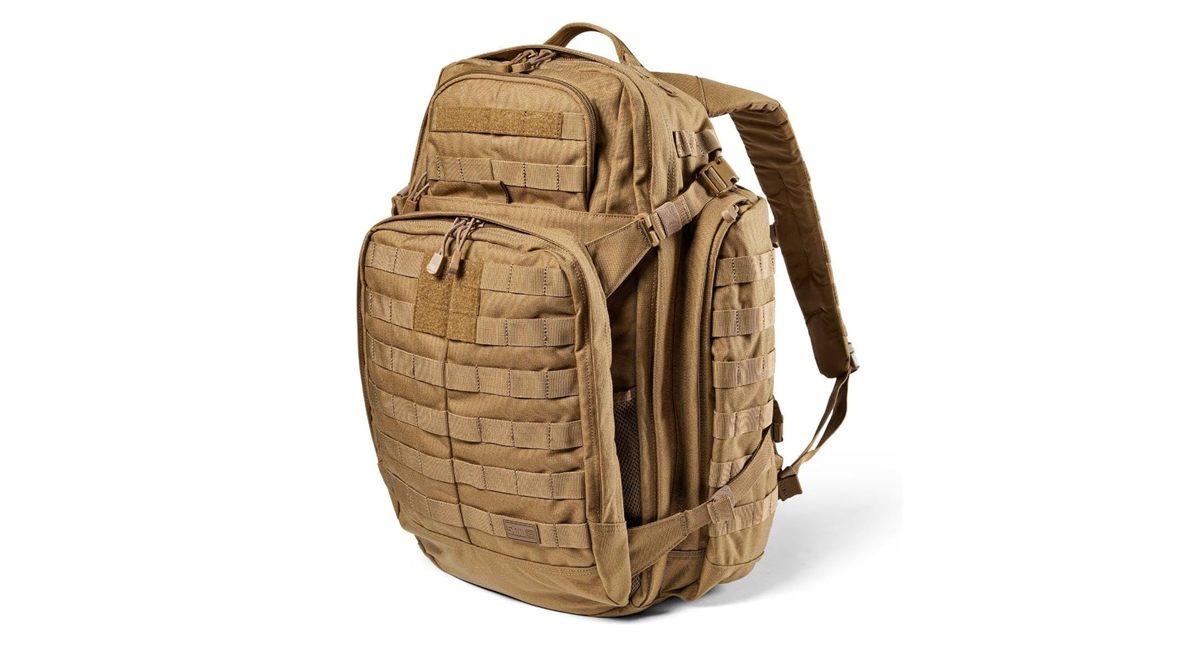
5.11 Tactical RUSH72 (55L)
Our top overall bug out bag pick: purpose-built tactical carry that handles a full 72-hour load comfortably. See the full bug out bag comparison for budget and family-size alternatives.
Check Price on Amazon ↗Sea to Summit Ultra-Sil Dry Bag
Waterproofs documents and electronics inside any bag. See our best dry bags guide for pack liners and fully waterproof backpack options.
Check Price on Amazon ↗SOL Emergency Bivvy
Cheap, tiny, and reflects up to 90% of body heat back at the wearer. See our bivy sack comparison for reusable and weather-resistant upgrades.
Check Price on Amazon ↗By Person
A single generic bag rarely fits every household member; kids, seniors, pets, and anyone with a disability each have real differences in what actually needs to be packed.
- Best Go Bags for Families: 2026 Parent's Guide
- Best Emergency Go Bags for Women: Lightweight & Well-Organised
- Best Emergency Go Bags for Kids: Age-by-Age Guide
- Pet Emergency Kit: Don't Forget Your Animals
- Emergency Kit for Seniors & Elderly: Special Needs Guide
- Emergency Kit for People with Disabilities: Inclusive Preparedness
Specialist Bags
Beyond the classic 72-hour bug out bag, several related bag concepts solve more specific problems: getting home when your commute is disrupted, staying put instead of leaving, or carrying gear daily rather than just in an emergency.
- Get Home Bag (GHB): What It Is & How to Build One
- Bug-In Kit: How to Prepare to Stay Home During a Disaster
- INCH Bag Guide: I'm Never Coming Home Bag
- Car Emergency Kit: 35 Things to Always Keep in Your Vehicle
- Office Emergency Kit: Workplace Preparedness Guide
- EDC (Everyday Carry) Guide: What Preppers Carry Daily
- Best Tactical Backpacks for Survival & Bug Out
- NEW Best Emergency Bivy Sacks for Bug-Out Bags
- NEW Best Dry Bags for Emergency Go Bags and Flood Evacuation
Bug Out Bags FAQ
How much should a bug out bag weigh?
Generally no more than 20-30% of the carrier's body weight. For a 150 lb adult, that's roughly 30-45 lbs fully loaded. Weigh your packed bag and adjust before an emergency, not during one.
Should I buy a pre-packed bug out bag or build my own?
Building your own is usually the better outcome: pre-packed kits frequently include lower-quality supplies to hit a price point. Buy a quality bag separately (see our best bug out bags guide) and pack it with gear you've actually chosen.
How many bug out bags does a family need?
One per adult and older child at minimum, sized to what that person can realistically carry. See our go bags for families guide for how to distribute shared items like water filtration and first aid across multiple bags.
What's the difference between a bug out bag and a get home bag?
A bug out bag is built for a full evacuation, typically 72 hours of self-sufficiency. A get home bag is a smaller, lighter kit kept at work or in a vehicle, built specifically to get you from where you are back to home if your normal commute is disrupted, not to sustain you for days.
Not sure where to start?
Start with our Beginner's Guide to Emergency Preparedness: a step-by-step roadmap that takes you from zero to prepared in under 30 days, for under $100.
Start Here →