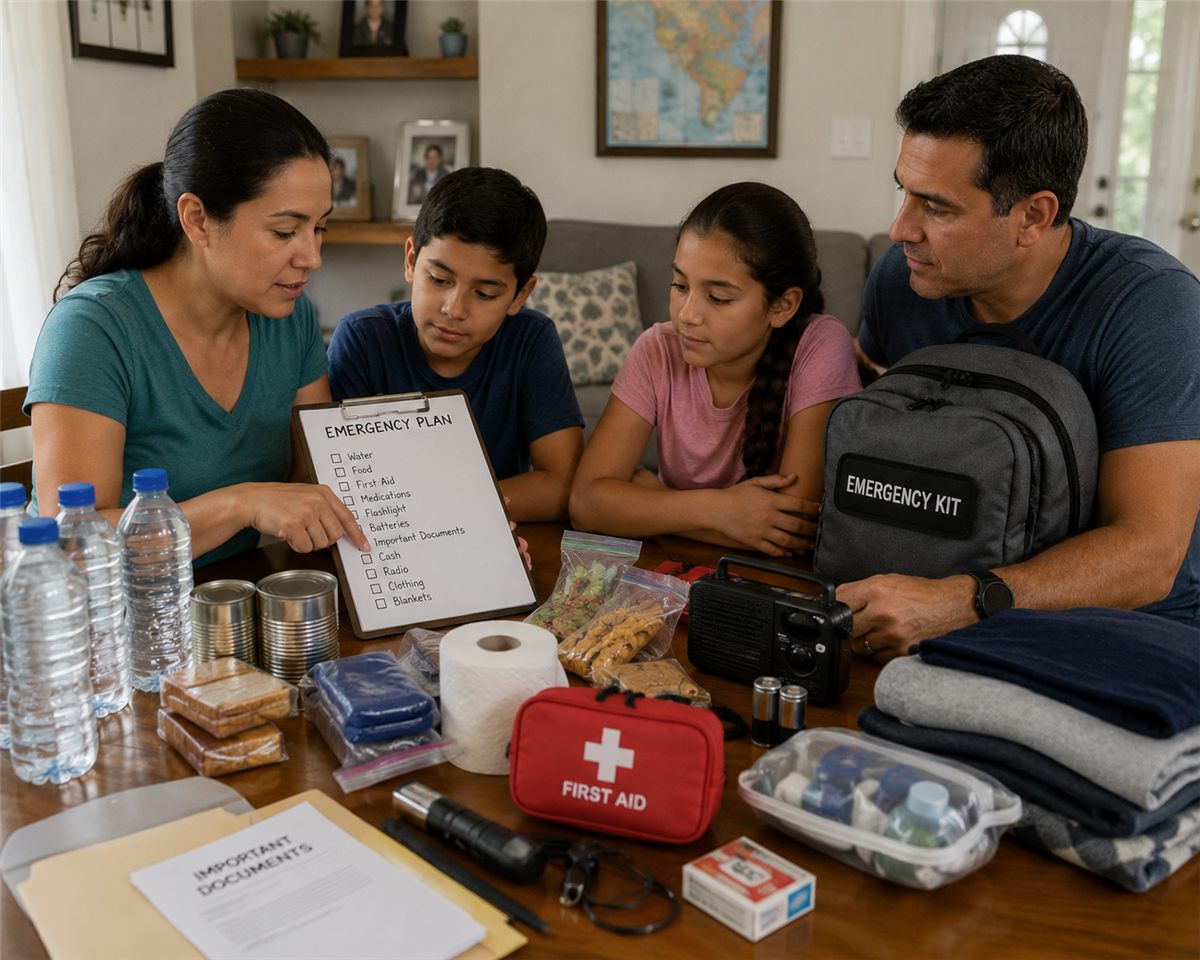
If you searched for "free emergency supplies" hoping for a link to a government form that ships a full kit to your door, we'd rather tell you the truth up front: that program doesn't exist nationally. What does exist is a patchwork of real, local, and sometimes eligibility-based programs that can genuinely reduce or eliminate your cost. This guide lists them honestly, tells you who typically qualifies, and points you to where to verify current availability, because these programs change by county, by funding cycle, and by state.
If none of these apply to your situation, our prepping on a budget guide shows how to build a complete starter kit for well under $100 using items you likely already own.
Where to Check for Free Emergency Supplies
Start with these five channels, roughly in order of how likely they are to apply to you. None of them guarantees a free kit, but each is a legitimate, verifiable place to ask.
Local Emergency Management and Community Programs
- 211 (dial or text your zip code to 898211): A free, live helpline run by United Way in most regions. Specialists can point you to local disaster-preparedness resources, including emergency supply distributions, food banks, and recovery assistance specific to your county.
- Your city or county Office of Emergency Management: Some counties run seasonal preparedness expos, giveaways, or distribute supplies (batteries, go-kits, water) tied to grant funding. Availability varies enormously by budget and season, so contact your local office directly rather than assuming a statewide program exists.
- CERT (Community Emergency Response Team) training: CERT classes are free everywhere and teach real disaster-response skills (light search and rescue, disaster first aid, fire safety). Many local CERT programs also give graduates a free backpack with basic supplies on course completion, no ongoing volunteer commitment required. Find a class through FEMA's Citizen Corps locator.
- Area Agency on Aging (for seniors and people with disabilities): Some states and counties, often through Medicaid in-home support programs, provide free emergency kits, batteries, or backup power for eligible older adults and people with disabilities. Oregon's Office of Aging and People with Disabilities is one documented example. Contact your local Area Agency on Aging to ask what's currently funded in your state.
- Faith-based and civic organizations: Churches, the Salvation Army (1-800-SALARMY), and local VOAD (Voluntary Organizations Active in Disaster) chapters often distribute supplies during and after declared disasters, and some run ongoing community preparedness drives. These are typically need-based and local, so call ahead rather than showing up unannounced.
Eligibility and Availability
Every program above has real limits worth knowing before you contact them:
- Funding is local and seasonal. A county-run supply giveaway that existed last year may not be funded this year. Grant cycles, budget years, and disaster-declaration status all affect availability.
- Age, income, and disability programs have real eligibility rules. Area Agency on Aging and Medicaid-linked programs usually require you to already qualify for the underlying benefit (age threshold, Medicaid enrollment, documented disability), not just "wanting a free kit."
- CERT's free backpack is a program benefit, not a guarantee. Contents and whether a backpack is offered at all varies by the local fire department or emergency management agency running the course, so ask when you register.
- Post-disaster assistance (FEMA Individual Assistance, Salvation Army, Red Cross shelters) only activates after an actual declared disaster in your area. It is disaster recovery, not preventive kit-building, and isn't something you can request in advance of an event.
Because these details shift by location and by year, treat every program above as a lead to verify with the organization directly, not a guaranteed benefit. This page was last checked against official sources in September 2026.
Does the Red Cross Offer a Free Emergency Kit?
Short answer: not a full emergency kit, no, but the Red Cross does run two genuinely free programs worth knowing about.
Verify Offers Through Official Channels
The American Red Cross's actual emergency-preparedness kits (the "Get a Kit" line) are sold through their official store, not distributed for free as a standard household benefit. Where the Red Cross is genuinely free:
- Home Fire Campaign: Free smoke alarm installation for households that don't already have working alarms, including specialized bedside alarms for people who are deaf or hard of hearing. Over 2.5 million free alarms installed since 2014. Request one through your local Red Cross chapter's website, not a third party.
- Free planning tools: The Red Cross Emergency app (search "American Red Cross" in your app store, or text GETEMERGENCY to 90999) and downloadable family-plan templates are free and official.
If No Program Fits Your Situation
Most readers won't qualify for an age-, income-, or disability-based program, and that's normal: these programs are meant for people who need them most, not as a general substitute for buying your own kit. If that's you, the good news is that a starter kit is genuinely inexpensive to build yourself:
Ready America 72-Hour Emergency Kit (4-Person)
The fastest way to cover every FEMA minimum requirement in one purchase if a free program isn't available to you.
- 4-person, 72-hour supply in one backpack
- Includes food bars, water pouches, first aid, light & tools
Emergency Mylar Space Blankets (4-Pack)
One of the cheapest genuinely useful items you can add to a kit: reflects 90% of body heat and weighs almost nothing.
- Reflects up to 90% of body heat
- Packs flat, virtually weightless
For a full room-by-room, week-by-week plan to build a starter kit on a tight budget, see Prepping on a Budget: Be Prepared for Under $100. If you're brand new to preparedness entirely, our beginner's Start Here guide walks through what to prioritize first.
Get Your Free Emergency Checklist
Subscribe to our free weekly newsletter and receive our printable 72-hour emergency kit checklist: used by 7,000+ families across the US.
Get the Free Checklist →Frequently Asked Questions
Is there a government program that gives out free emergency kits?
Not as a standing national program. FEMA does not mail free preventive kits to households. What exists instead is local: county emergency management giveaways tied to grant funding, CERT graduate backpacks, and state programs for specific groups like seniors or people with disabilities through Medicaid-linked services. Call 211 or your local Office of Emergency Management to find out what's currently funded where you live.
Does the Red Cross give away free emergency kits?
No, the Red Cross sells its emergency preparedness kits through its official store rather than distributing them free as a general benefit. It does offer two genuinely free programs: free smoke alarm installation through the Home Fire Campaign, and free planning tools like its Emergency app and family-plan templates.
How do I know if a "free emergency kit" offer is legitimate?
Verify it directly on the official organization's website (redcross.org, fema.gov, your county's .gov emergency management page) rather than trusting a third-party ad, marketplace listing, or unsolicited email. Legitimate assistance programs don't require you to pay shipping fees or provide payment information to receive a "free" item.
What is CERT and is the free backpack real?
CERT (Community Emergency Response Team) is a free, FEMA-affiliated disaster-response training program run at the local level, usually through a city or county fire department. Many, though not all, local CERT programs give graduates a free backpack with basic supplies after completing the course, with no obligation to join the formal response team afterward. Contact your local fire department or search FEMA's Citizen Corps locator to confirm what your area's program includes.
I don't qualify for any assistance program. What should I do?
Build your own starter kit gradually. Most households already own 30 to 40% of a basic kit (flashlights, canned food, spare batteries) without realizing it. See our prepping on a budget guide for a week-by-week plan to cover the rest for well under $100.
This page contains Amazon affiliate links. As an Amazon Associate, SurvivalStockUp earns from qualifying purchases at no extra cost to you. Assistance-program information is provided for informational purposes; always verify current eligibility and availability directly with the organization before relying on it.